
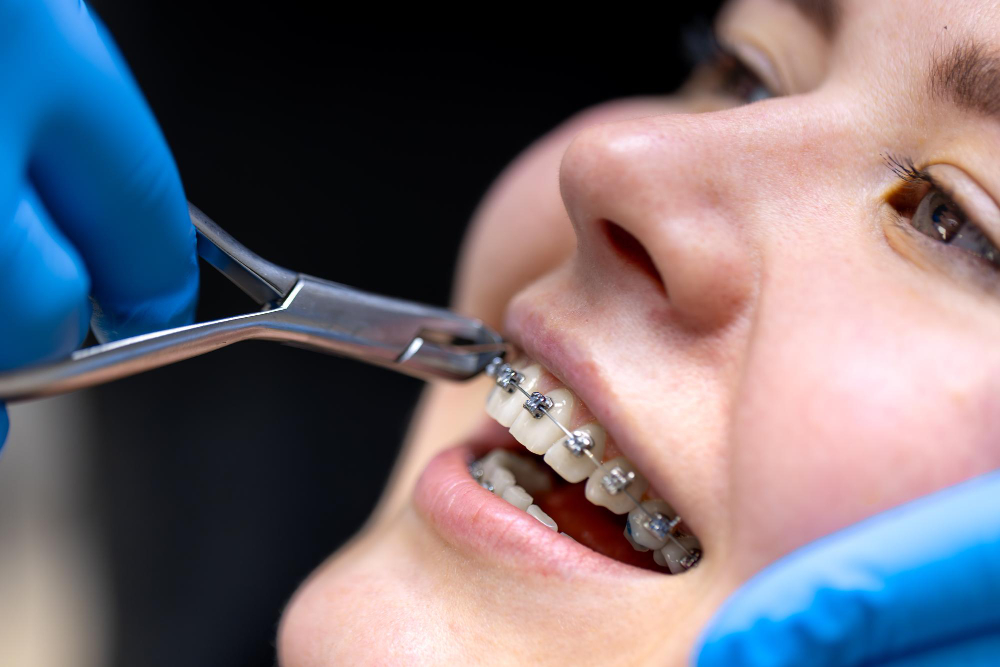
What Are Dental Braces?
Dental braces are devices that straighten teeth and fix bite problems. Dentists and orthodontists use them to move teeth into better positions. Often, people get braces to improve their smile or fix crowded teeth. In fact, dental braces can help both children and adults. According to the American Dental Association, braces are a common orthodontic treatment option.
Types of Dental Braces
There are several types of dental braces. Each type has its own benefits. Here are the most common options:
Each type of dental braces has pros and cons. Your dentist can help you choose the best dental braces for adults or teens based on your needs.
Who Needs Dental Braces?
Many people can benefit from dental braces. You may need braces if you have:
Sometimes, dentists recommend braces for children as young as seven. However, adults can get braces too. In fact, more adults are choosing orthodontic treatment options now than ever before.
Benefits of Dental Braces
Dental braces offer many benefits. For example, they can:
With straighter teeth, you may also speak more clearly. Overall, dental braces can improve both your oral health and your quality of life.
The Dental Braces Procedure
Getting dental braces usually follows a few simple steps:
The whole process can take from several months to a few years. However, the results are often worth the wait.
Caring for Dental Braces
Proper care is important when you have dental braces. Here are some tips on how to care for braces:
With good care, you can prevent problems like cavities or gum disease while wearing braces.
Common Myths About Dental Braces
There are many myths about dental braces. Let’s clear up some common ones:
Knowing the facts can help you feel more comfortable about getting dental braces.
Risks and Side Effects
While dental braces are safe, there are some risks and side effects. For instance, you may notice:
However, most side effects are mild and temporary. The American Dental Association suggests following your dentist’s advice to lower these risks.
Tips for a Smooth Braces Experience
Here are some tips to make your time with dental braces easier:
With these tips, you can enjoy a smoother orthodontic treatment journey.
When to Consult a Dentist
If you notice crooked teeth, bite problems, or jaw pain, it may be time to see a dentist. Early visits can help spot issues before they get worse. Even if you are an adult, you can still benefit from dental braces. For the best advice, consult a qualified dentist or orthodontist. They can guide you on the best dental braces for adults, teens, or children.
Consult Dr. Arpita Kotha for personalized advice on dental braces and orthodontic treatment.