What Are Dental Crowns?
Dental crowns are tooth-shaped caps placed over damaged or weak teeth. They help restore the tooth’s shape, size, and strength. Often, dental crowns improve the look of your smile. Dentists use dental crowns to protect teeth after injury or decay. In many cases, crowns can save a tooth that might otherwise need removal.
Common Reasons for Dental Crowns
There are several reasons why your dentist may suggest a dental crown. For example, crowns can:
Protect a weak tooth from breaking
Restore a broken or worn-down tooth
Cover and support a tooth with a large filling
Hold a dental bridge in place
Cover misshaped or badly discolored teeth
Cover a dental implant
Sometimes, children may need crowns for baby teeth with severe decay. In these cases, crowns help protect the tooth until it falls out naturally.
Types of Dental Crowns
There are different types of dental crowns. Each type has its own benefits. Your dentist will help you choose the best one for your needs. Common types include:
Porcelain or Ceramic Crowns: These look most like natural teeth. They are a good choice for front teeth.
Metal Crowns: Made from gold or other metals, these are very strong. However, they are less natural-looking.
Porcelain-Fused-to-Metal Crowns: These combine strength and a natural look. They are often used for back teeth.
Resin Crowns: These are less expensive but may wear down faster.
Stainless Steel Crowns: Often used for children’s baby teeth or as a temporary fix.
Because each type has pros and cons, it’s important to discuss your options with your dentist.
The Dental Crown Procedure (Step-by-Step)
Getting a dental crown usually takes two visits. Here is what you can expect:
Examination and Preparation: First, your dentist checks the tooth and takes X-rays. If needed, they treat any decay or infection.
Shaping the Tooth: Next, the dentist shapes the tooth so the crown will fit. Sometimes, they build up the tooth if it is too small.
Impression: Then, your dentist takes an impression of your tooth. This helps create a crown that fits well.
Temporary Crown: While your permanent crown is made, you get a temporary crown to protect your tooth.
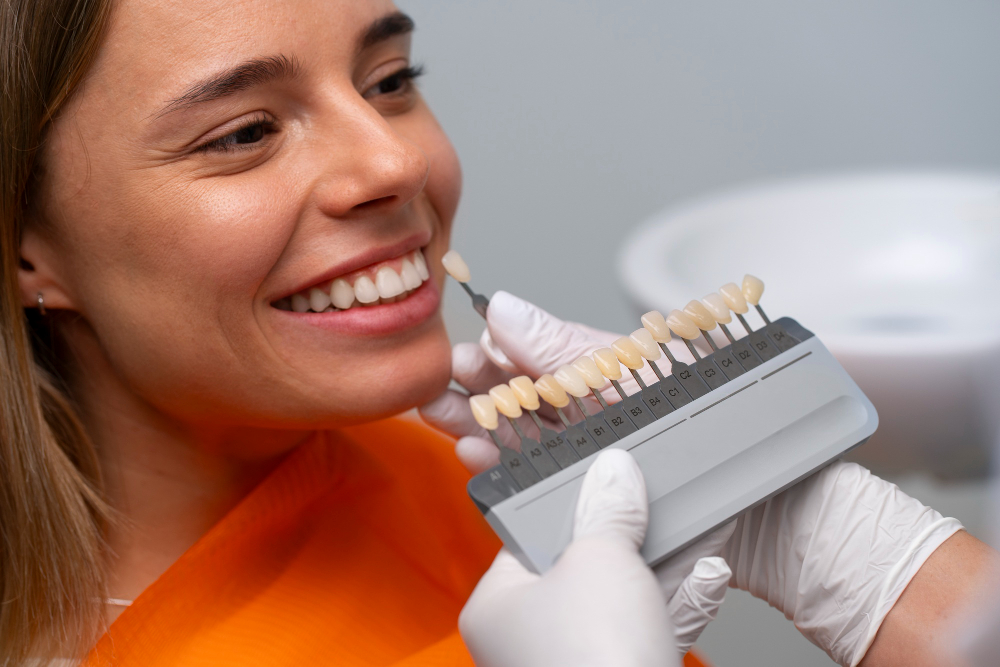
Fitting the Crown: At your next visit, the dentist removes the temporary crown. They check the fit and color of the new crown. If everything looks good, the dentist cements the crown in place.
Some clinics offer same-day crowns using special machines. However, most people need two visits.
Benefits of Dental Crowns
Dental crowns offer many benefits. For instance, they:
Protect weak or damaged teeth
Restore the shape and function of teeth
Improve the look of your smile
Last many years with proper care
Help with chewing and speaking
Because crowns are custom-made, they blend in with your natural teeth. This helps you feel more confident when you smile or eat.
Aftercare and Maintenance Tips
Proper aftercare helps your dental crown last longer. Here are some tips:
Brush your teeth twice a day with a soft brush
Floss daily to remove food and plaque
Avoid chewing hard foods like ice or hard candy
Visit your dentist for regular check-ups
If you grind your teeth, ask about a night guard
Although crowns are strong, they can still break or come loose. If you notice any problems, contact your dentist right away.
Potential Risks and Complications
Most people have no problems with dental crowns. However, some risks include:
Sensitivity to hot or cold foods
Chipping or breaking of the crown
Crown coming loose or falling off
Allergic reaction to crown materials (rare)
Gum irritation or infection
If you feel pain, swelling, or notice the crown is loose, see your dentist soon. Early care can prevent bigger problems.
Frequently Asked Questions
How long do dental crowns last? With good care, crowns can last 5 to 15 years or more.
Does getting a crown hurt? Dentists use local anesthesia, so you should not feel pain during the procedure.
Can I eat normally with a crown? Yes, but avoid very hard or sticky foods to protect your crown.
How do I clean my crown? Brush and floss as you would with your natural teeth.
Are dental crowns covered by insurance? Many dental plans cover part of the cost. Check with your provider for details.
Conclusion and Call-to-Action
In summary, dental crowns can protect and restore your teeth. They also help improve your smile and confidence. With proper care, crowns can last for many years. If you have a damaged or weak tooth, dental crowns may be a good solution. Consult Dr. Arpita Kotha to find out if dental crowns are right for you.